1
Engage
Initial period of concentration as attention builds
Working with your body's natural rhythms of concentration and recovery for sustainable daily activity.
The human capacity for focused attention follows predictable patterns. Understanding these cycles allows you to work with your biology, not against it.
Initial period of concentration as attention builds
Peak attention and productive engagement
Natural decline in concentration signals rest need
Recovery period that rebuilds attention capacity
Some research indicates that focused attention may operate in cycles of roughly 90 minutes. This rhythm can influence when concentrated work feels easier and when recovery may be helpful.
Rather than fighting against this pattern, effective work respects it. After a period of intense focus, a break of 15-20 minutes allows the brain to consolidate learning and prepare for the next cycle.
Many people notice limited windows of peak focus each day. Identify your own pattern.
Natural dips typically occur mid-afternoon. Plan accordingly.
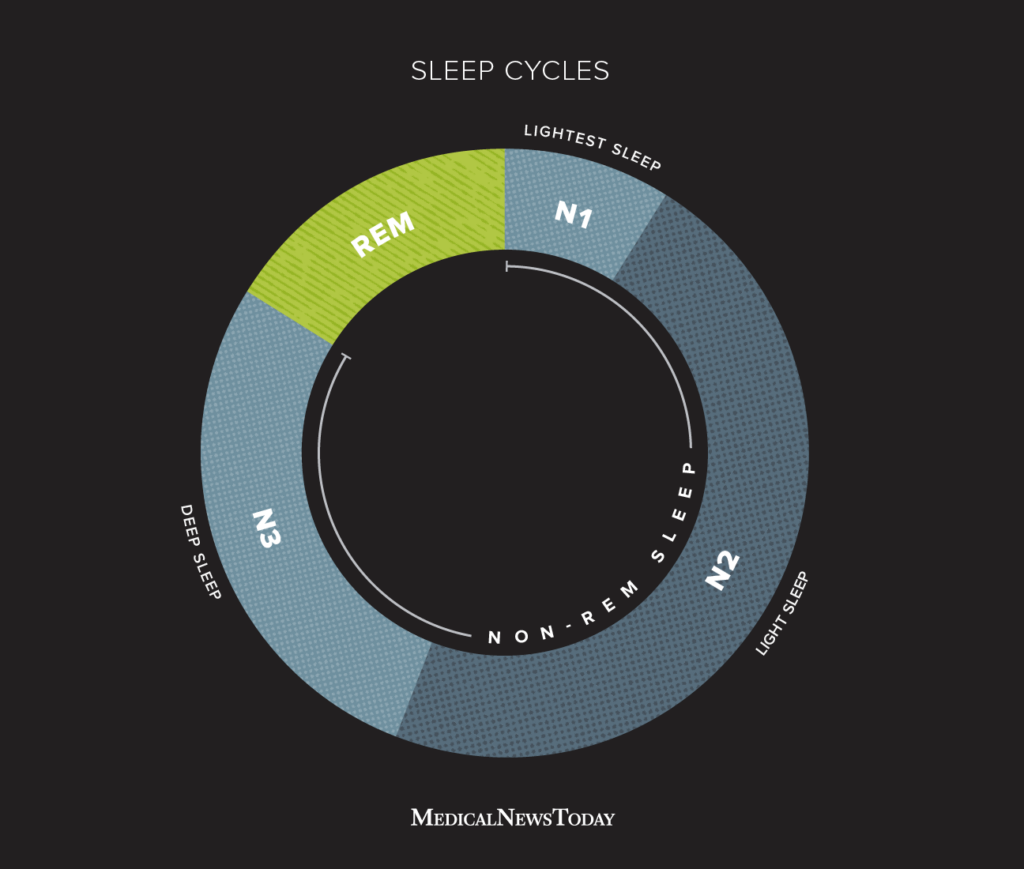
Practical approaches to align your activity with your natural rhythms.
Schedule demanding work during peak focus times. Save routine tasks for natural dips in concentration.
When focus naturally fades, take it as a signal rather than a failure. Transition to rest before exhaustion.
Develop consistent practices for the rest phase: movement, hydration, or simply stepping away from the workspace.
Aligning activity with natural cycles creates sustainable patterns that support both productivity and well-being.
Rather than dramatic peaks and crashes, energy becomes more consistent throughout the day. Recovery periods prevent the deep fatigue that comes from overextension.
When you know rest is coming, the mind can commit more fully to focus periods. The quality of attention improves when it is not being stretched indefinitely.
Working with natural patterns reduces the internal friction of forcing productivity. Tasks feel less like battles when approached at the right time.
Patterns that respect natural limits are often easier to maintain over time and may help reduce accumulated fatigue.
We are here to help you understand and apply these concepts. Reach out with your questions.
Get In TouchAll materials and practices presented are educational and informational in nature and are aimed at supporting general well-being. They do not constitute medical diagnosis, treatment, or recommendation. Before applying any practice, especially if you have chronic conditions, please consult with a physician.